About People Science Tech Market Contact
LUX FOODS

A Better Way
To Grow Food.

Introducing the first production platform that doesn't need soil or sunlight. Gene-edited plants are grown in sealed vessels, fed by dissolved sugar instead of light, and use 90% less energy than traditional agricultural methods and alternatives like vertical farming.
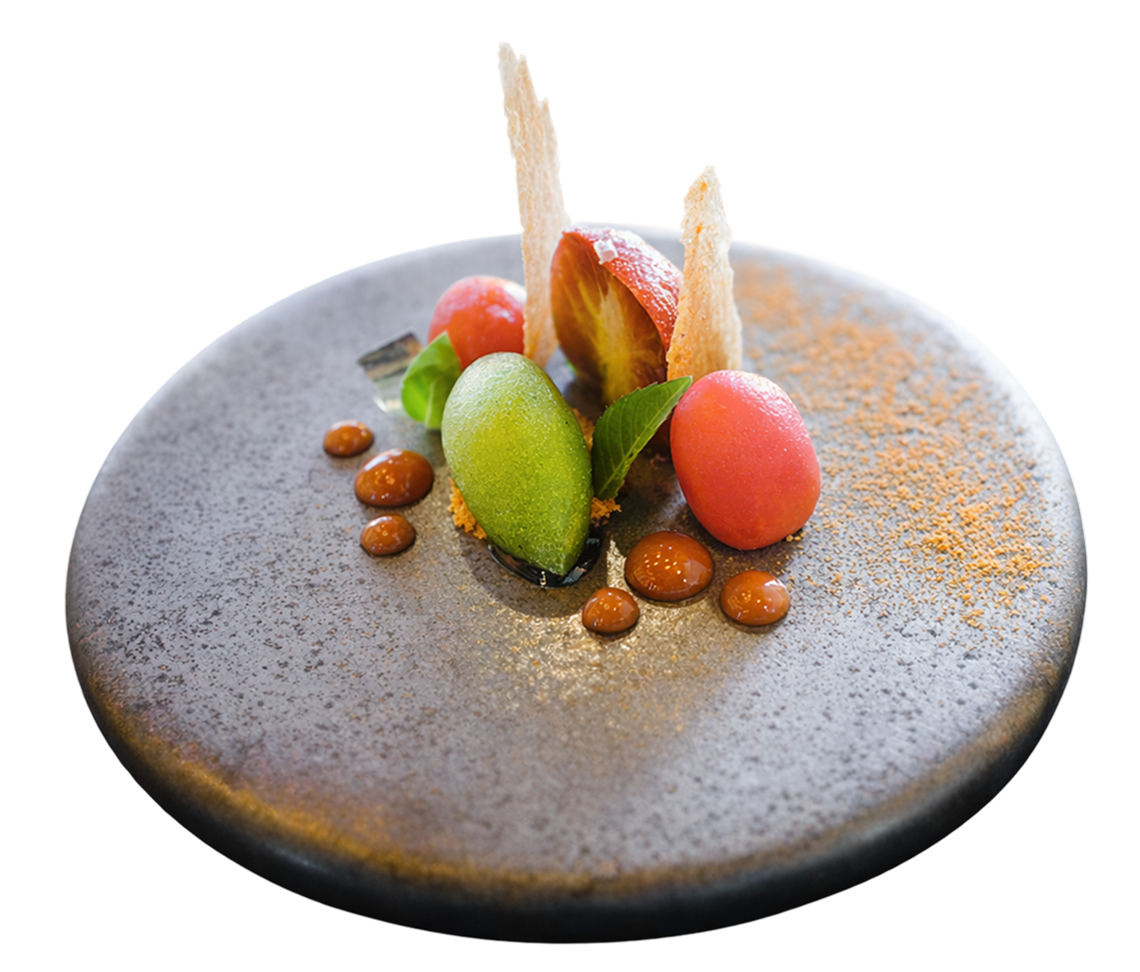
Lux Foods tomato
Scroll
The Problem

Vertical farming raised billions.
Margins never followed.

$0
Invested in vertical farming
0%
Average profitability
0%
Photosynthetic efficiency

Bankruptcies, shutdowns, and margins that never materialized. Every company kept food production dependent on photosynthesis: a biological process that converts barely 1% of light energy into growth. Where teams optimized for harnessing the power of the sun, they should have considered its leave.

We're removing the bottleneck.

Our Platform

Better fruit.
Cheaper.
Everywhere.

01SeedCRISPR-edited SPACE platform
02ExplantTissue culture initiation
03CultureSealed vessels, dissolved sugar
04RobotWidowX 250s, behavioral cloning
05FruitZero pesticides, bespoke nutrition
06Dinner plateMichelin restaurants, premium grocers
Grow anywhere
All year round
Zero pesticides
90% less energy
Bespoke nutrition
Robotic automation
Energy

No grow lights. No HVAC load. Dissolved sugar replaces photons as the carbon source.

Traditional
Agriculture
100% baseline
Vertical
Farming
~85% of baseline
Lux Foods
10% of baseline
Economics

Field-competitive production cost.
70.7% EBITDA margin at scale.

0%
EBITDA margin at scale
0
lb/sq ft/yr yield
$0
per pound production cost
$0
per pound energy cost
Timeline

Same infrastructure, different biology. Each crop validated expands the TAM without new capital.

Tomatoes
Now
Strawberries
6 months
Berries
16 months
Coffee / Cacao
36+ months

Our people and science
behind the platform.

Team
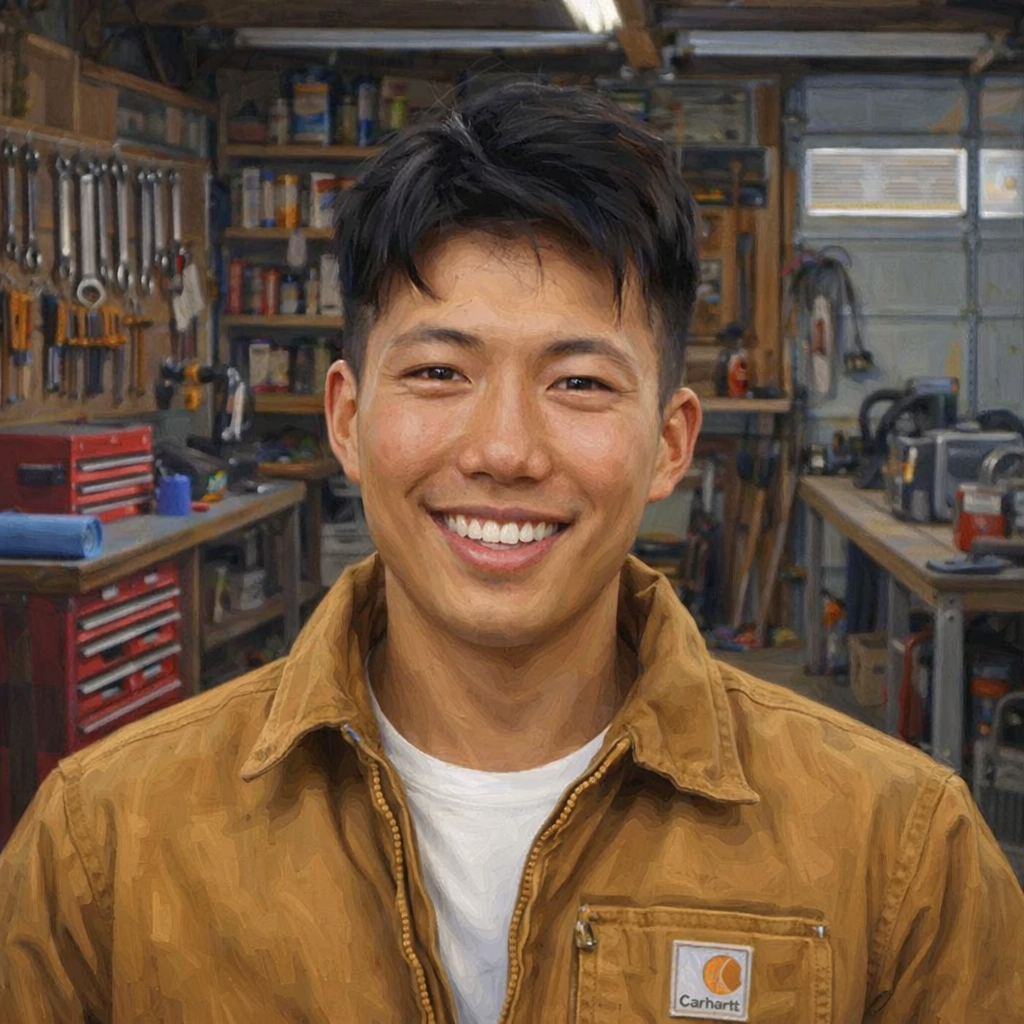
Andre Yeung

Andre Yeung

Chief Executive Officer

Stanford BioE + CS (AI track). Built the lab from a converted garage. 100+ customer interviews. Designed the robotic automation pipeline.

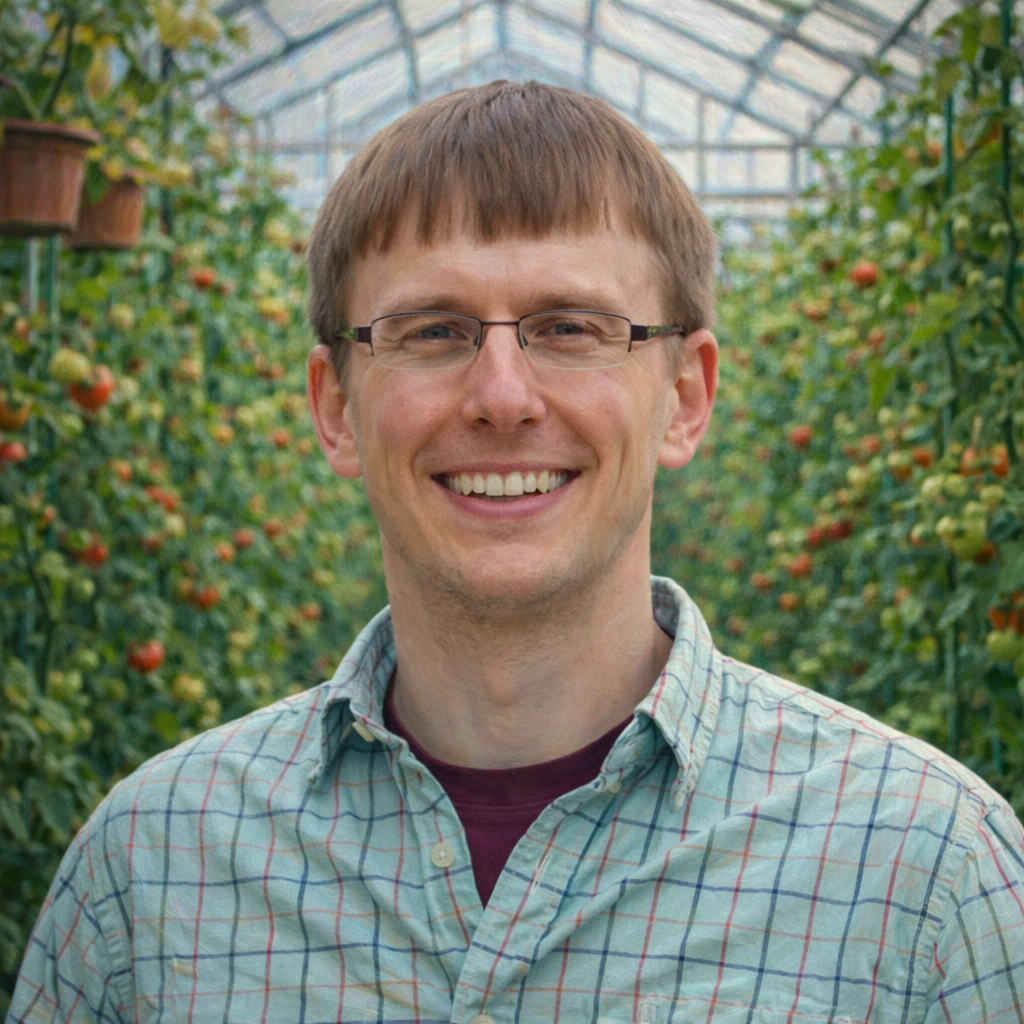
Robert Jinkerson

Robert Jinkerson

Chief Science Officer

UC Riverside faculty. Ph.D. Applied Chemistry, Colorado School of Mines. Invented the SPACE platform. Gates Foundation PI ($2.4M). NASA Deep Space Food Challenge.

Kyle Wong

Kyle Wong

Advisor

CEO of StartX (Stanford). Veteran operator and advisor to deep-tech startups.

Science

Growing plants in the dark: a scalable heterotrophic production system for premium fruit

Jinkerson, R.E., Kang, B.-H., Velu, G., Peralta, K., Mukherjee, P.

Heterotrophic fruit production eliminates the dependency on photosynthesis, enabling sealed-vessel cultivation with dissolved sugar as the sole carbon source using 90% less energy than conventional farming methods.
0
Accesses
0
Citations
0
Altmetric
0%
Fruiting efficiency (5.6x literature)
0
lb/sq ft/yr yield (12x AeroFarms)
$0
Production cost
at scale
Grants & IP
$0
Gates Foundation
Non-dilutive grant
0
NASA Deep Space
Food Challenge
Exclusive
SPACE platform IP
licensed from UC Riverside
Technology

How heterotrophic fruit production works.

In-vitro plants downregulate photosynthetic infrastructure because they don't need it. Carbon that would have been wasted on vegetative growth goes into fruit. This is not a weakness—it is a feature.

The heterotrophic paradigm

Every vertical farm kept the plant dependent on photosynthesis, a biological process that is only 1% efficient. Our platform eliminates that dependency entirely. Gene-edited plants grow premium fruit in sealed sterile vessels, fed by dissolved sugar as the carbon source instead of light. The result: 90% less energy and production costs competitive with California field-grown.

The SPACE platform

CRISPR-edited Micro-Tom with PARP2a knockout. Extreme dwarfism creates compact architecture optimized for sealed-vessel production. 56% fruiting efficiency, 5.6x the published literature. Greater than 75% harvest index. PARP2a shrinks the denominator -- less vegetative mass -- not the numerator. Fruit stays the same size.

Bespoke nutritional profiles

Because the plant is fed through liquid media, we control what goes in and what comes out. Already demonstrated vitamin B12 and antimalarial precursor biofortification in vitro. Not possible with field-grown or conventional indoor crops. Implications for functional foods, pharmaceutical intermediates, and flavor engineering.

Robotic automation

Labor is the second cost driver after energy. Our biology is co-designed for robotic tractability: uniform compact architecture, standardized vessels, liquid media. WidowX 250s arms with behavioral cloning and DAgger for sterile manipulation. ASRS for vessel management at scale. The robot does not adapt to the plant. The plant was designed for the robot.

Production economics

Metric Lux Foods CA Field Indoor (Avg)
Production cost $1.17/lb $1.20/lb $3.50+/lb
Yield density 224 lb/sq ft/yr 12 lb/sq ft/yr 18 lb/sq ft/yr
Energy input $0.05/lb N/A $0.80+/lb
Carbon input $0.008/L Sunlight LEDs
EBITDA margin 70.7% 15-25% -20% to 10%
Market

There is a $750B opportunity in fruit production.

Where we sell, who buys, and how big this gets.

100+ customer interviews completed
01

Beachhead: specialty cherry tomatoes

$1.8B US market with greater than 6.46% CAGR. Consumer trends driving premium: flavor, provenance, sustainability, local, pesticide-free. Our product checks every box.

Michelin Restaurants

Ethel's Fancy, Kappo, Flea Street, BROMA

Premium Grocers

Erewhon, Bi-Rite, specialty distributors

02

Go-to-market

Phase 1: Operate. Founder-led sales. Pilot programs to co-branded displays to multi-year supply agreements. Data-backed performance: Brix data, shrink reduction, stable year-round pricing. A clear, executable playbook.

03

Platform expansion

Cherry tomatoes now. Strawberries at six months. Berries and tropical fruit at sixteen months. Coffee, cacao, hops, and tree nuts at thirty-six months. Each crop validated on the platform expands the TAM without new infrastructure. $750B global fruit and vegetable TAM.

04

Franchise model

We prove unit economics at each scale first, then license. Biology, automation, protocols, consumables, revenue share. Every new franchisee facility is margin, not capex. This is what makes Lux Foods a platform company, not a farm.

Contact

Request a meeting

30 minutes with Andre.
Our pitch, data, and roadmap.

andre@luxfoods.farm

California